
ABOUT
SERVICES
CONNECT
MINISTRIES
EVENTS
GIVE
GET THE APP
CONNECT GROUPS
PRAYER ALTARS
LOCAL IMPACT
GET WEEKLY UPDATES

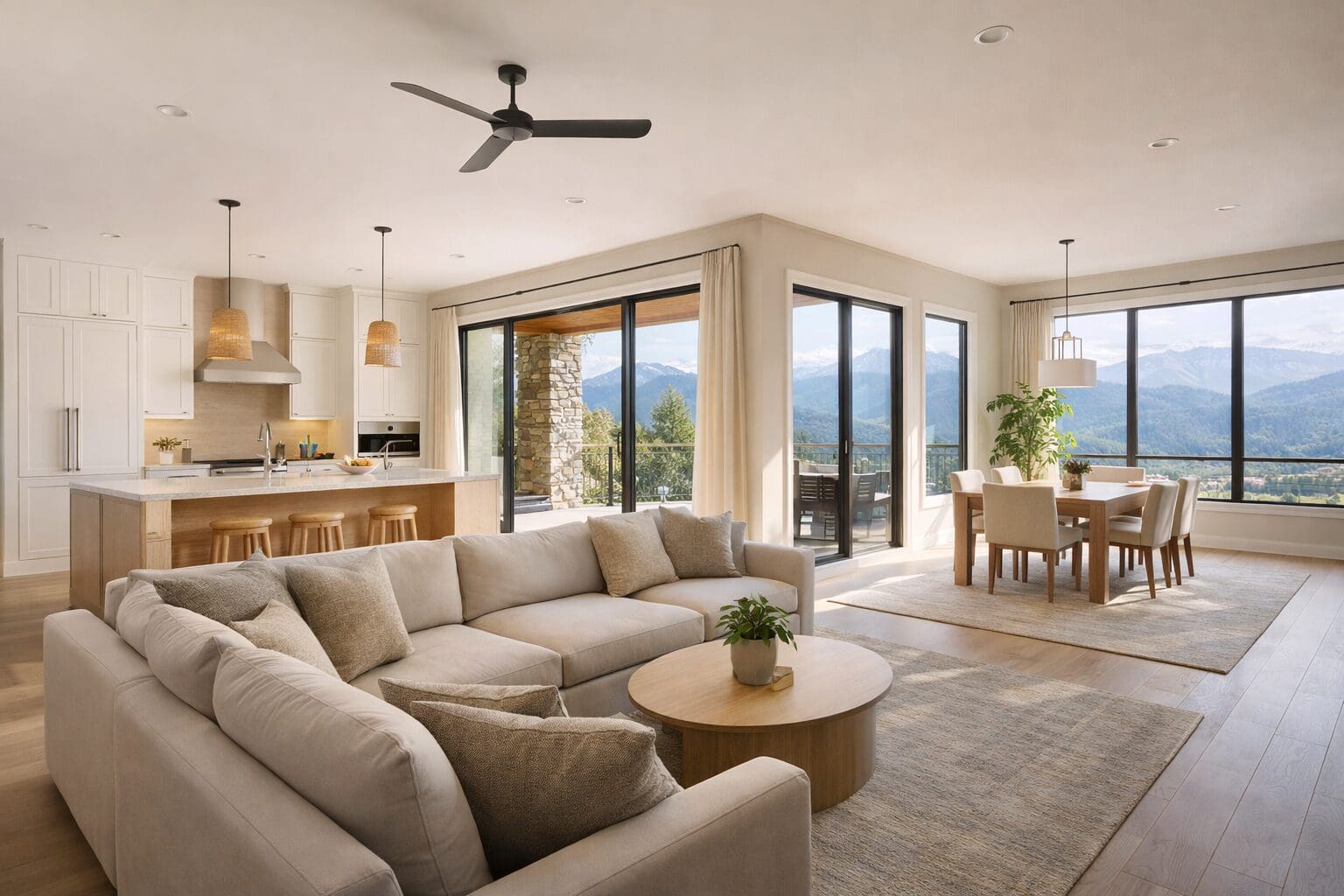
Colorado’s climate is becoming more extreme.
Hotter summers. Sudden heatwaves. Strain on the electrical grid. Increased wildfire risk. Winter storms that knock out power unexpectedly.
In these moments, a home’s true performance is revealed.
Passive design is not just about energy efficiency. It is about resilience. When power goes out or temperatures spike, homes built with Passive House and high-performance building envelope principles maintain safer, more stable indoor conditions.
That stability can make all the difference.
What Is Passive Design?
Passive design focuses on reducing a home’s energy demand before relying on mechanical systems.
Instead of depending heavily on HVAC systems, Passive House principles prioritize:
- Airtight construction
- Continuous insulation
- High-performance windows
- Thermal bridge reduction
- Balanced mechanical ventilation
By dramatically lowering heating and cooling demand, the home becomes more stable and less vulnerable to outside conditions.
Why This Matters During Power Outages
When the power goes out in a conventional home, indoor temperatures begin to shift quickly.
In winter:
- Heat escapes rapidly through air leaks and poorly insulated assemblies.
In summer:
- Solar gain and heat infiltration cause interior temperatures to rise quickly.
In a high-performance home designed with Passive House standards, the temperature changes much more slowly.
Because the building envelope is airtight and heavily insulated, the home retains heat in winter and blocks excessive heat in summer.
This phenomenon is often called thermal resilience.
The U.S. Department of Energy’s research on high-performance building envelopes highlights how improved insulation and air sealing significantly reduce heat transfer and increase durability. See the U.S. Department of Energy building science guidance for national performance standards.
In practical terms, this means:
- More time before indoor temperatures become unsafe
- Greater comfort during grid instability
- Reduced risk during extended outages
Passive Design and Colorado Heatwaves
Colorado’s elevation intensifies solar radiation. Even when air temperatures seem moderate, solar heat gain can drive indoor temperatures up rapidly in poorly designed homes.
Passive design addresses this through:
- Strategic window placement
- High-performance glazing
- Exterior shading
- Insulation continuity
- Airtight construction
According to the U.S. Environmental Protection Agency’s climate resilience data, extreme heat events are increasing across the United States, including the Mountain West. Learn more from the EPA climate resilience resources.
Homes built with Passive House principles are designed to limit unwanted heat gain while still maximizing natural light. The result is a home that stays calmer, cooler, and more comfortable even during extreme temperature swings.
The Role of the Building Envelope
The building envelope is the foundation of resilience.
Without:
- Continuous insulation
- Proper air sealing
- Moisture control
- Thermal bridge mitigation
no amount of solar panels or advanced HVAC systems can compensate for energy loss.
Net Zero performance starts with reducing demand.
Passive design ensures that:
- Heating and cooling loads are dramatically lower
- Indoor air quality remains stable
- Temperature fluctuations are minimized
- Mechanical systems work less and last longer
This is not about luxury.
It is about intelligent design.
What This Means for Existing Colorado Homes
You do not have to build from scratch to benefit from Passive design strategies.
Strategic retrofits can significantly improve resilience, including:
- Air sealing upgrades
- Attic insulation improvements
- Window replacements
- Duct sealing
- Electrification with efficient systems
Energy modeling helps determine which upgrades deliver the greatest impact for your specific home and budget.
Even incremental improvements can dramatically slow temperature swings during outages.
A Better Way to Live
Healthy homes are not just about comfort when everything is working perfectly.
They are about stability when systems fail.
Passive design and high-performance construction create homes that:
- Feel quieter
- Stay more consistent
- Protect indoor air quality
- Reduce energy waste
- Improve long-term operating costs
In Colorado’s climate, resilience is no longer optional.
It is responsible design.
Ready to Build or Retrofit Smarter?
Whether you are planning a new high-performance home or upgrading your existing property, Passive design strategies can dramatically improve comfort, safety, and long-term energy performance.
To learn how your home can perform better during power outages and heatwaves, contact us directly:
Email us at info@elevatedimpactproperties.com

https://shorturl.fm/rXFgI