
ABOUT
SERVICES
CONNECT
MINISTRIES
EVENTS
GIVE
GET THE APP
CONNECT GROUPS
PRAYER ALTARS
LOCAL IMPACT
GET WEEKLY UPDATES

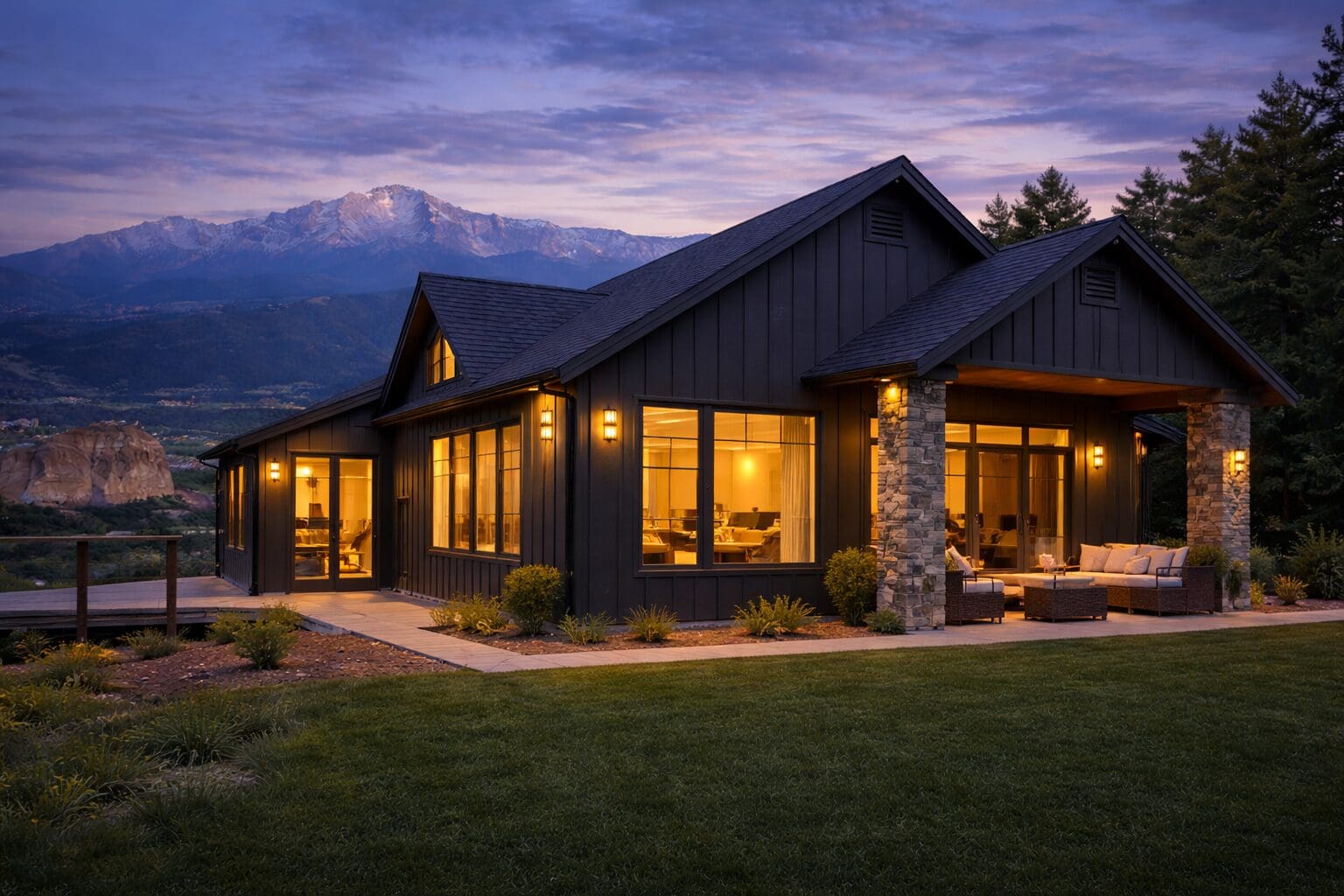
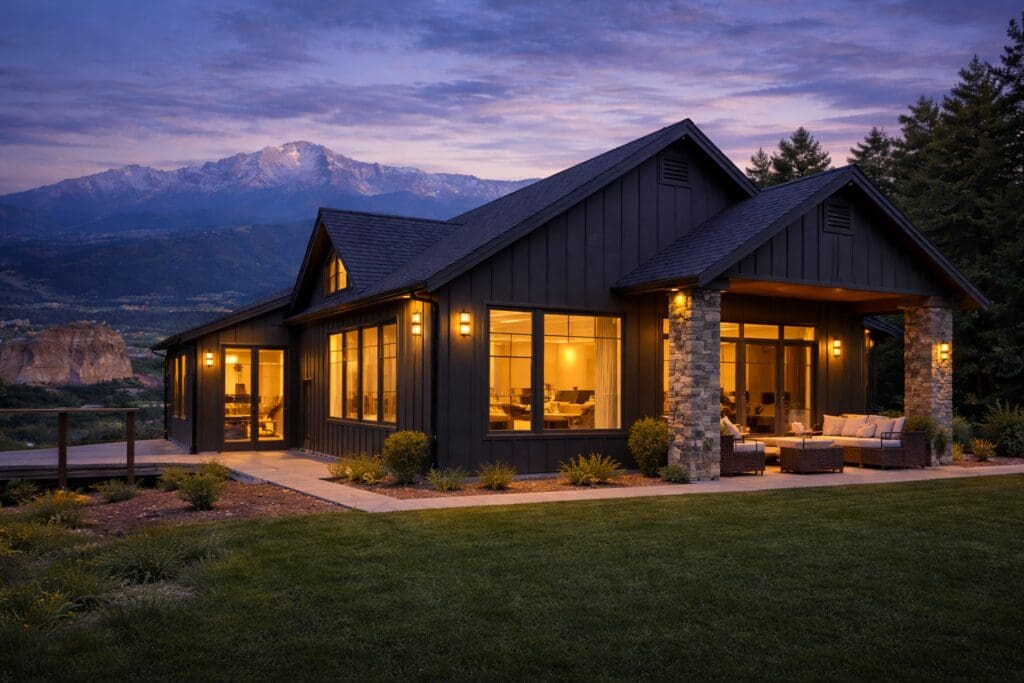
Colorado homeowners often assume their homes are energy efficient simply because they were built recently or look well insulated. But the reality is this:
Most Colorado homes lose energy in ways you can’t see.
These hidden energy loss points quietly drive up utility bills, reduce comfort, and strain heating and cooling systems — especially in Colorado’s extreme climate of freezing winters, high elevation sun exposure, and dramatic temperature swings.
If you care about high-performance homes, Net Zero performance, or simply lowering energy costs, understanding where energy escapes is the first step.
Why Energy Loss Is So Common in Colorado Homes
Colorado’s climate is demanding. Cold winters, hot sun, strong UV exposure, and large day-night temperature swings create pressure on a home’s building envelope.
The building envelope includes:
- Exterior walls
- Insulation layers
- Roof assembly
- Windows and doors
- Air sealing systems
When any part of this system is weak, energy loss happens continuously.
Even homes built within the last 10–15 years often suffer from:
- Inconsistent insulation
- Thermal bridging through framing
- Air leakage around penetrations
- Poorly sealed ductwork
- Underperforming windows
These issues are common in conventional construction, which focuses more on speed and cost than performance.
The Most Common Hidden Energy Loss Points
1. Air Leakage Around Framing and Penetrations
Tiny gaps around outlets, attic hatches, plumbing penetrations, and recessed lighting allow conditioned air to escape year-round.
In winter, warm air rises and escapes through the top of the home. In summer, hot air infiltrates from outside. This constant exchange forces HVAC systems to work harder and wastes energy.
Air sealing is one of the most powerful upgrades in high-performance and Passive House design.
2. Thermal Bridging in Walls and Roofs
Thermal bridging occurs when framing materials conduct heat through insulation layers. Even well-insulated walls can underperform if framing interrupts insulation continuity.
This is one reason why advanced framing and continuous exterior insulation are key elements in high-performance construction.
3. Attic and Roof Insulation Gaps
The attic is one of the largest sources of heat loss in Colorado homes. Poorly installed insulation, compression, or missing coverage allows heated air to escape during winter.
This not only increases energy use but can also lead to:
- Ice dams
- Roof deterioration
- Moisture issues
4. Underperforming Windows
Windows are often blamed for energy loss — and sometimes rightly so.
Standard double-pane windows may not be sufficient for Colorado’s climate extremes. High-performance windows reduce heat transfer, improve indoor comfort, and dramatically lower heating and cooling demand.
In Net Zero homes, window placement, glazing type, and solar orientation are carefully modeled to optimize performance.
5. Leaky Ductwork
Many Colorado homes lose energy through duct systems running through unconditioned attics or crawlspaces. Even small duct leaks reduce system efficiency and increase operational costs.
Why This Matters for Net Zero Homes
You cannot achieve Net Zero performance without first addressing hidden energy loss points.
Net Zero homes are designed as integrated systems. Before adding solar panels, the home itself must be optimized to reduce demand.
Energy conservation comes first.
Only then does renewable generation make sense.
When a home’s envelope is airtight, insulated, and thermally continuous, it requires far less energy to maintain comfort — making Net Zero not just possible, but practical.
The Role of the Building Envelope
High-performance homes focus on the building envelope first.
This includes:
- Continuous insulation
- Advanced air sealing
- Moisture management
- Thermal bridge reduction
- High-performance windows
The importance of envelope performance is well documented in national research. The U.S. Department of Energy building science guidance outlines how insulation continuity, air sealing, and thermal bridge reduction dramatically improve efficiency and durability in cold and mixed climates like Colorado. These principles are not trends — they are proven building science fundamentals.
What Colorado Homeowners Can Do
If you suspect hidden energy loss in your Colorado home, consider:
- A blower door test to measure air leakage
- Thermal imaging to identify insulation gaps
- Duct leakage testing
- Energy modeling for deeper retrofit planning
Retrofit improvements can significantly reduce waste and move your home closer to Net Zero performance — even if you’re not starting from scratch.
Building Smarter in Colorado
In a climate like Colorado’s, performance isn’t optional.
Whether building new or upgrading an existing home, reducing hidden energy loss points leads to:
- Lower energy bills
- Greater year-round comfort
- Cleaner indoor air
- Reduced emissions
- Increased home value
High-performance homes are not about complexity — they are about precision.
And precision begins with eliminating energy loss where most homeowners never think to look.
Ready to Evaluate Your Home’s Performance?
If you’re interested in high-performance homes, Passive House principles, or moving toward Net Zero in Colorado, the first step is understanding how your home is currently performing.
A detailed performance evaluation can reveal where your home is losing energy — and what it would take to fix it.
Contact us at info@elevatedimpactproperties.com
